%2Ffit-in%2F250x250%2Fguide_websites%2F20438%2Fimages%2F1764134281908image.png&w=1920&q=100)
/users/b0ab63b3-2ec5-4478-aeff-6885af36c311/ratecard/469835446_547126421636755_6527879176132582998_n1.jpg)
%2F300x300%2Fusers%2Fb0ab63b3-2ec5-4478-aeff-6885af36c311%2Fratecard%2F469835446_547126421636755_6527879176132582998_n1.jpg&w=256&q=75)
%2F300x300%2Fusers%2Fb0ab63b3-2ec5-4478-aeff-6885af36c311%2Fimages%2Fmutton-snapper-marathon-fishing-2758.jpg&w=256&q=75)
%2F300x300%2Fusers%2Fb0ab63b3-2ec5-4478-aeff-6885af36c311%2Fimages%2Fangler-florida-fishing-adventure-2731.jpg&w=256&q=75)
%2F300x300%2Fusers%2Fb0ab63b3-2ec5-4478-aeff-6885af36c311%2Fimages%2Ffishing-adventure-fl-2713.jpg&w=256&q=75)
%2F300x300%2Fusers%2Fb0ab63b3-2ec5-4478-aeff-6885af36c311%2Fimages%2Fmarathon-fishing-blue-runners-2715.jpg&w=256&q=75)
%2F300x300%2Fusers%2Fb0ab63b3-2ec5-4478-aeff-6885af36c311%2Fimages%2Ffishing-crew-marathon-adventure-2702.jpg&w=256&q=75)
%2F300x300%2Fusers%2Fb0ab63b3-2ec5-4478-aeff-6885af36c311%2Fimages%2Ffishing-adventure-florida-2695.jpg&w=256&q=75)
%2F300x300%2Fusers%2Fb0ab63b3-2ec5-4478-aeff-6885af36c311%2Fimages%2Ffisherman-prized-catch-marathon-2728.jpg&w=256&q=75)
%2F300x300%2Fusers%2Fb0ab63b3-2ec5-4478-aeff-6885af36c311%2Fimages%2Fanglers-catch-18-inch-fish-2665.jpg&w=256&q=75)
%2F300x300%2Fusers%2Fb0ab63b3-2ec5-4478-aeff-6885af36c311%2Fimages%2Ffishing-duo-impressive-catch-2700.jpg&w=256&q=75)
%2F300x300%2Fusers%2Fb0ab63b3-2ec5-4478-aeff-6885af36c311%2Fimages%2Ffishing-adventure-marathon-2760.jpg&w=256&q=75)
Top-Rated 6 HR Offshore Fishing in Marathon

 Marathon, FL
What you will be catching:
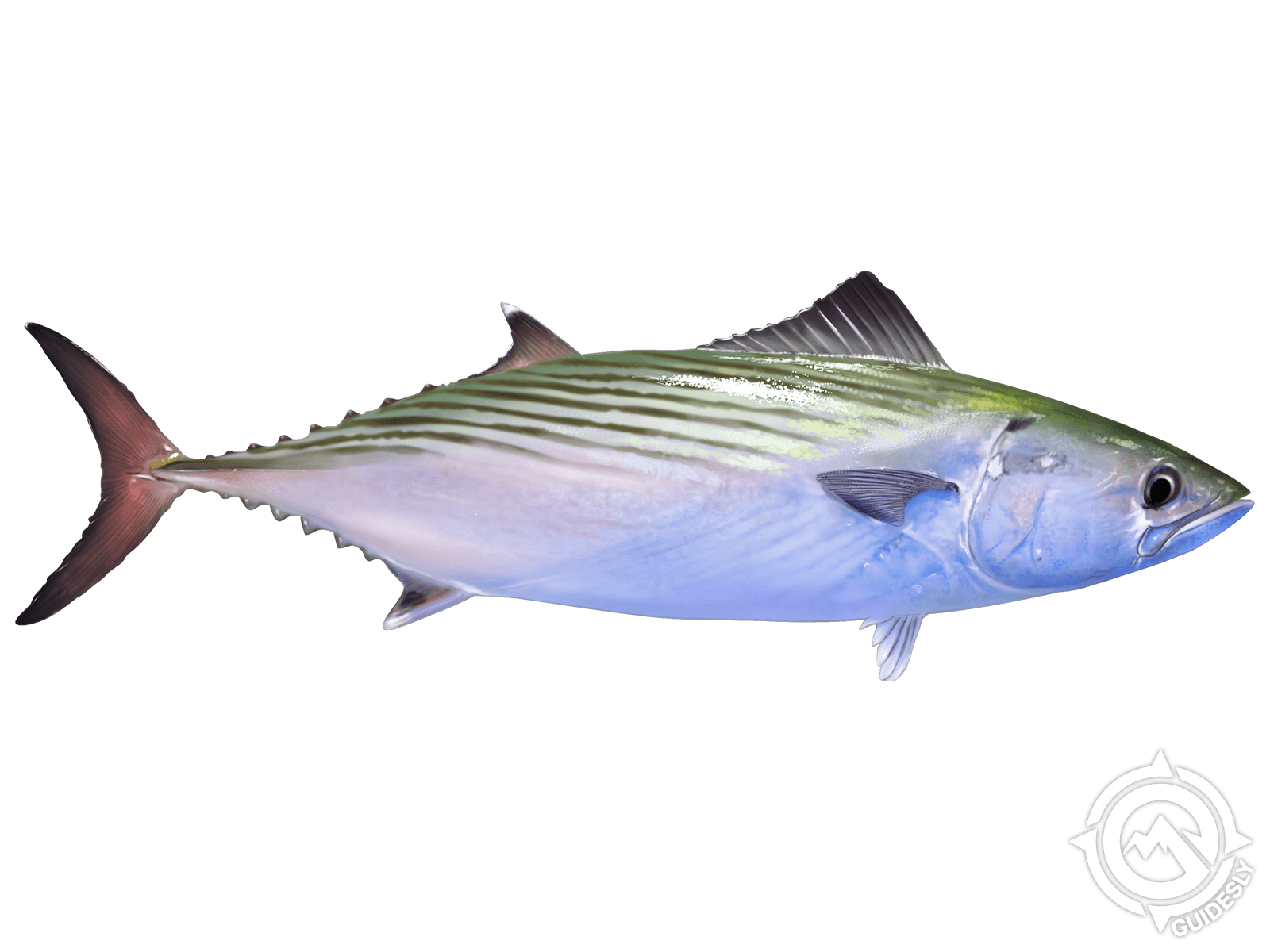
 Atlantic Bonito
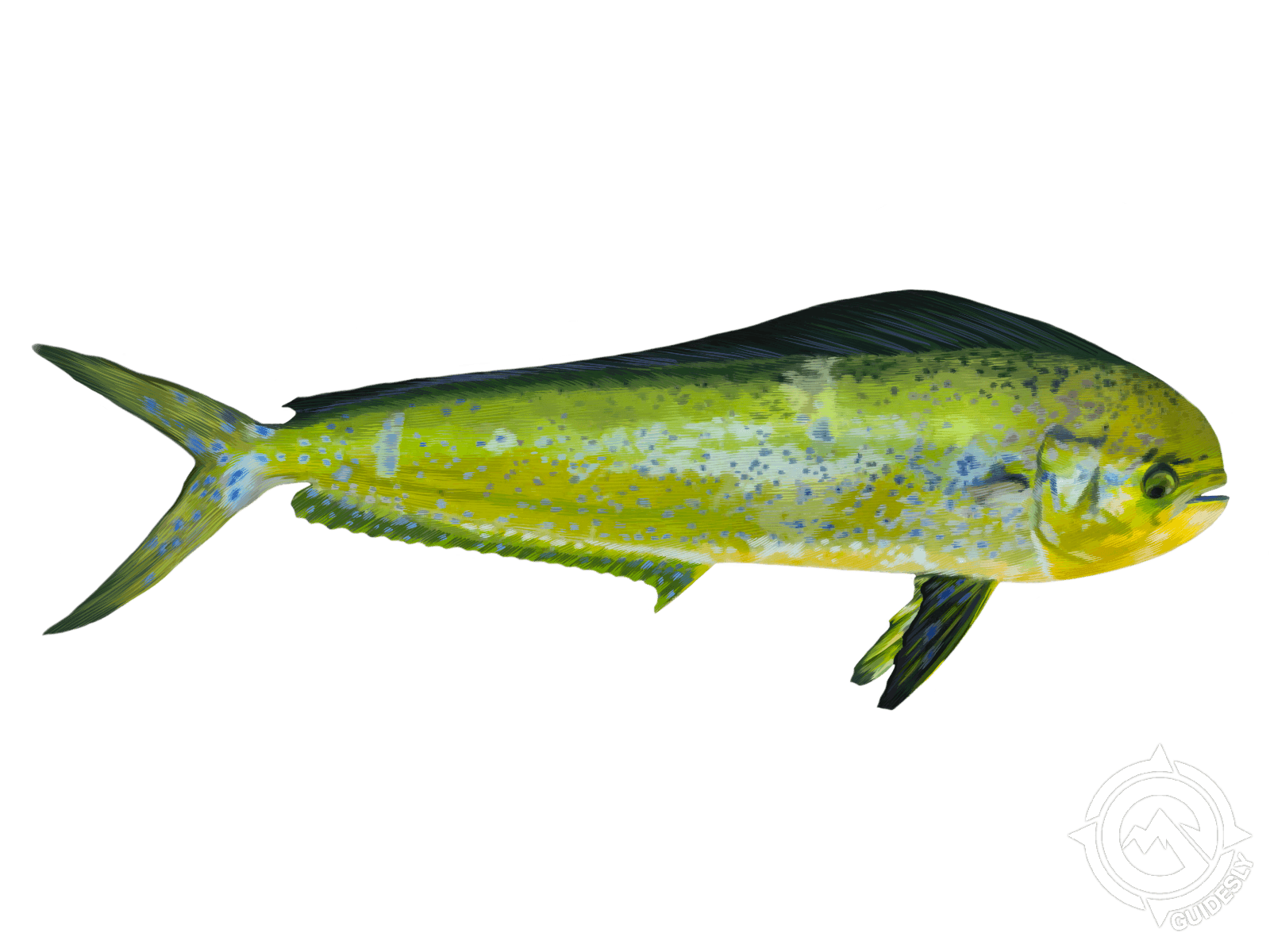
 Mahi Mahi or Common Dolphinfish
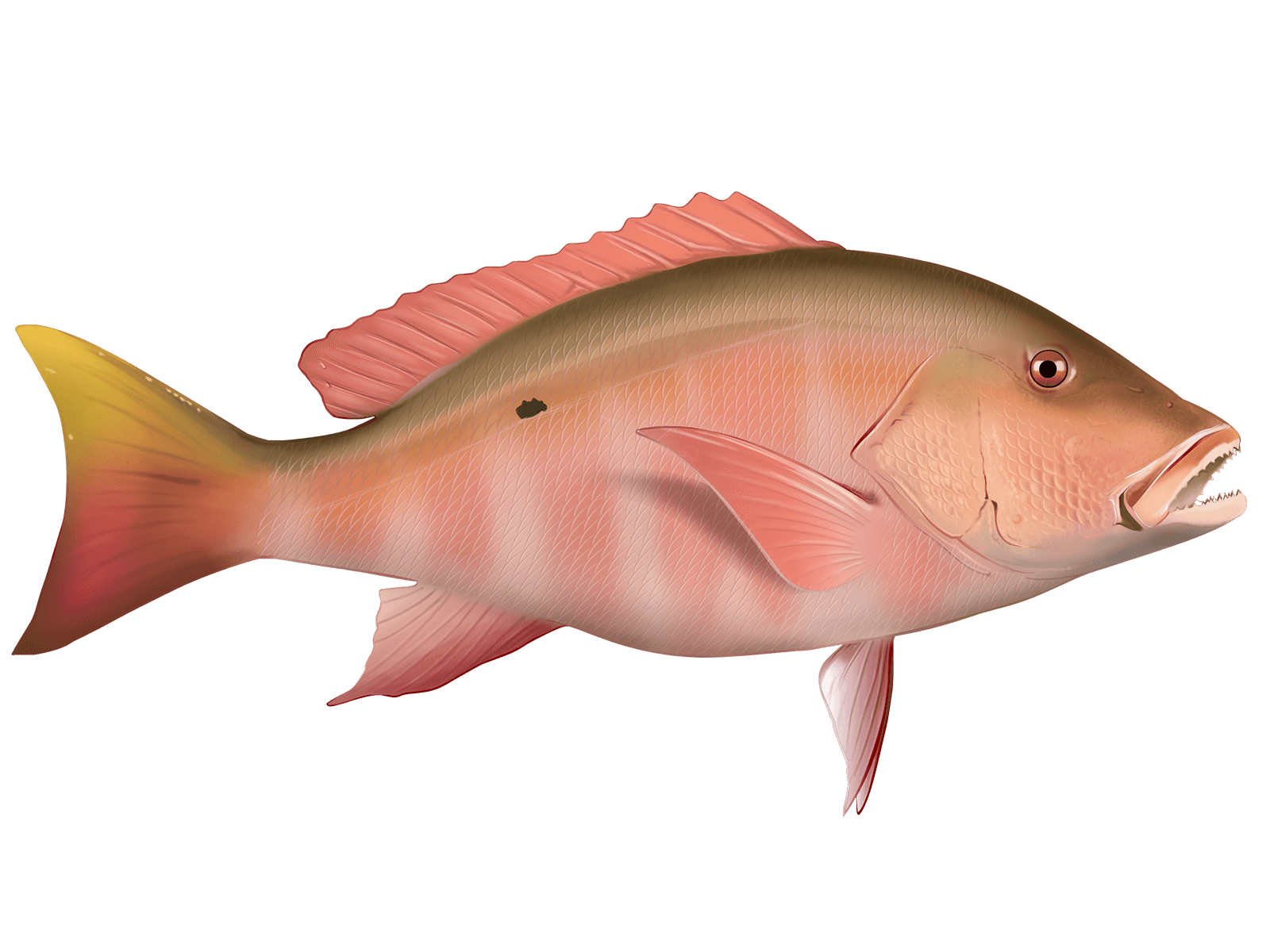
 Mutton Snapper
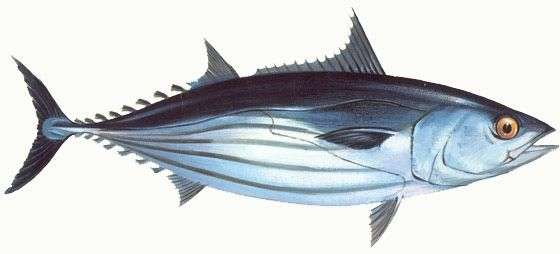
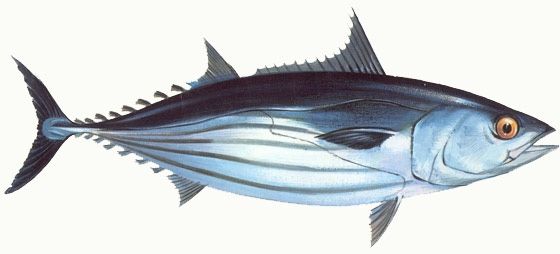 Skipjack Tuna
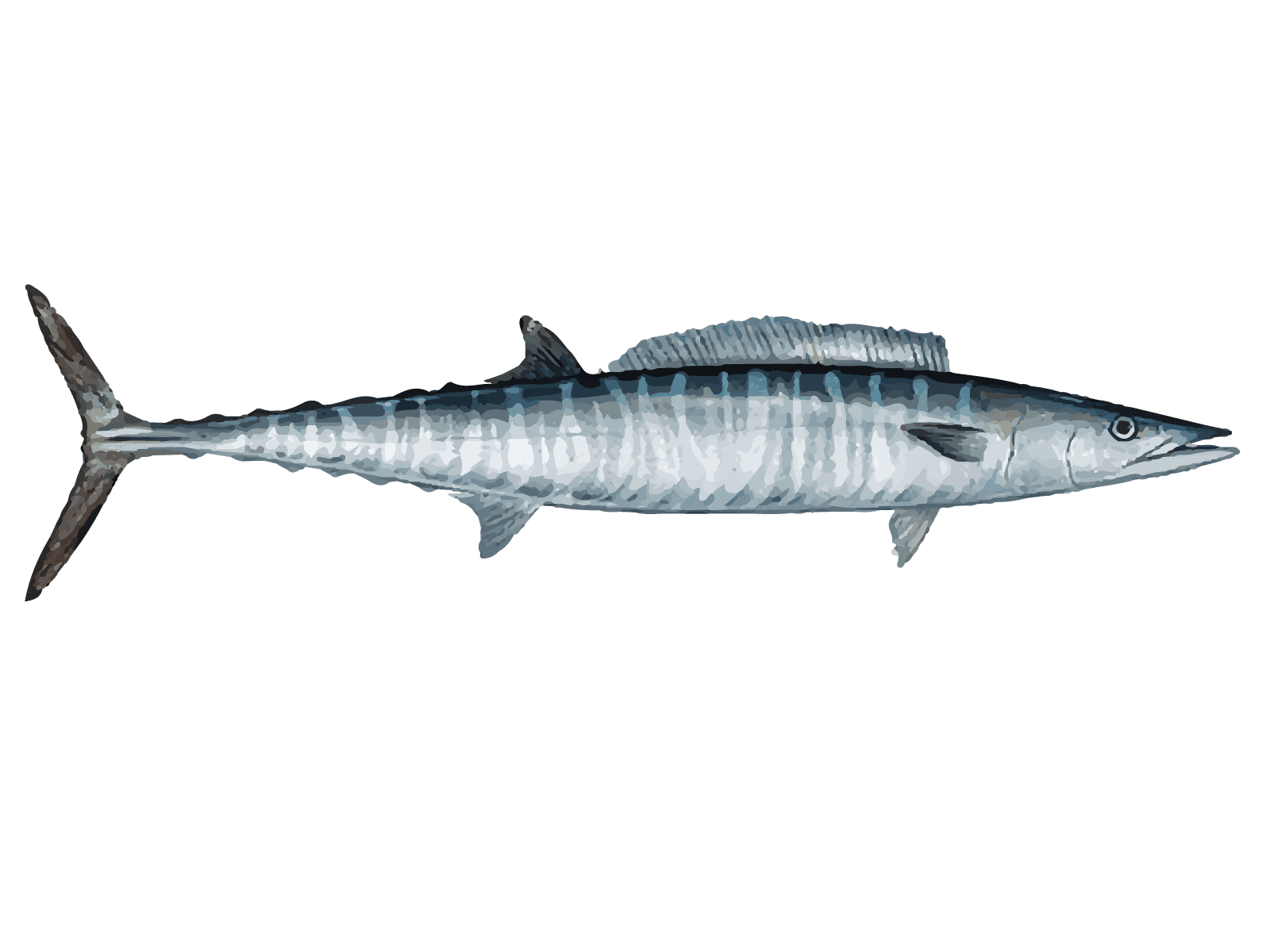
 Wahoo Fish
- 6-hour offshore trip targeting multiple species via trolling and reef fishing
- Expert crew provides top-tier equipment for both novice and experienced anglers
- Comprehensive fishing experience includes Wahoo, Tuna, Snapper, and Grouper opportunities
Trip Pricing and Availabilities:
Marathon's Top-Rated 6-Hour Offshore Adventure
Ready for a killer day on the water? Harmony Charters' 6-hour offshore trip out of Marathon is the real deal. We're talking serious blue water action, with a mix of trolling and reef fishing that'll keep your rods bent all day. Whether you're a seasoned pro or it's your first time wetting a line, this trip's dialed in to put you on the fish. From hard-fighting pelagics to tasty bottom dwellers, we've got the spots and the know-how to make it happen.
What to Expect on the Water
We kick things off by heading offshore, where we'll troll for the big boys - Wahoo, Blackfin Tuna, and Bonito. When the conditions are right, we might even tangle with some Mahi Mahi. It's a rush when these speedsters hit, and trust me, you'll feel it in your arms. After we've put some miles on the boat, we'll shift gears and hit the reef. This is where things get real tasty. We're dropping lines for Mutton Snapper, Yellowtail, Grouper, and a whole bunch of other reef dwellers that'll have you thinking about dinner before we even head back to the dock.
Techniques That Fill the Box
Our offshore game is all about covering water and finding the fish. We'll be running a spread of lures and maybe some live bait if the conditions are right. It's a mix of art and science, reading the water and knowing where the fish should be. Once we hit the reef, we switch it up. We'll be using light tackle, dropping jigs and live bait to the bottom. It's all about feeling the bite and setting the hook just right. Don't worry if you're new to this - our crew's got you covered. We'll show you the ropes and have you fishing like a local in no time.
What Anglers Are Saying
"Our fishing trip with Harmony Charters was an unforgettable experience! My husband, sons (17 and 22), and I caught over 50 fish during our 6-hour adventure. Captain Arthur and his first mate, Roger, were incredible, working tirelessly to ensure we had a great time. We started fishing near the 7 Mile Bridge and then headed out into the Atlantic Ocean. Although I'm not the most experienced fisherman in the family, I had an absolute blast! Huge thanks to Captain Arthur and Roger for making this a day we'll always remember!" - Kathleen
"Captain Arthur and First Mate Roger gave our family of four an amazing day of fishing! Everyone caught fish and had a fantastic time on the water. We left with big smiles and plenty of great fish stories to share. I highly recommend Harmony Charters, Captain Arthur, and Roger for an unforgettable Keys fishing experience!" - Zach
"We had an awesome time! Captain Arthur and First Mate Roger were friendly, personable, and incredibly helpful. We caught plenty of fish for our Christmas dinner and even had the thrill of spotting a shark!" - Christopher
Species You'll Want to Hook
Skipjack Tuna: These little rockets are pound-for-pound one of the hardest fighting fish in the ocean. They might not be the biggest, but what they lack in size they make up for in attitude. Skipjacks travel in schools, so when you find them, it's often non-stop action. They're great eating fresh, but also make killer bait for bigger predators. Look for them year-round, but they're especially thick in the summer months.
Atlantic Bonito: Don't let anyone tell you bonito are just bait. These streamlined speedsters are a blast on light tackle and put up a fight that'll have you grinning from ear to ear. They're cousins to the tuna family, and it shows in their hard runs and stubborn fights. Bonito are most common in the spring and fall, and they're a great target when other pelagics are scarce.
Mahi Mahi: Also known as dorado or dolphinfish, mahi are the crown jewels of offshore fishing. They're beautiful, acrobatic, and absolutely delicious. We target them by looking for floating debris or birds working the surface. When you hook one, be ready for some airborne action - these guys love to jump. Mahi fishing is best in the late spring through early fall, with peak season in the summer months.
Wahoo: If you're looking for speed, wahoo are your fish. These streamlined predators are built for velocity, capable of short bursts over 60 mph. Hooking one is like being tied to a freight train - your reel will scream as line peels off at an alarming rate. Wahoo tend to be loners, but when you find them, they're often good-sized fish. We target them year-round, but the best wahoo fishing is usually in the winter and early spring.
Mutton Snapper: These are the prize of the reef. Muttons are smart, strong, and make for some of the best eating you'll find in the Keys. We target them near structure, using live bait or jigs to entice a bite. Once hooked, muttons will try to break you off in the rocks, so you need to be quick on the reel. They're available year-round, but the bite really heats up in the late spring and early summer during their spawning season.
Time to Book Your Spot
Look, there's a reason why Harmony Charters is a customer favorite in Marathon. We've got the experience, the gear, and the local knowledge to put you on the fish. Whether you're looking to fill the cooler or just want to feel the pull of a big fish, this 6-hour trip is the ticket. We keep the groups small - max of 6 people - so you get plenty of personal attention and time on the rods. Don't just dream about that perfect day on the water - make it happen. Give us a call and let's get you out there. The fish are waiting, and trust me, you don't want to miss this.
Customer Reviews
Fishing Frenzy

Kathleen C
December 22, 2024
Family Fish Fest
Captain Arthur and First Mate Roger gave our family of four an amazing day of fishing! Everyone caught fish and had a fantastic time on the water. We left with big smiles and plenty of great fish stories to share. I highly recommend Harmony Charters, Captain Arthur, and Roger for an unforgettable Keys fishing experience!
Zach S
January 3, 2025
Catch and Thrill
We had an awesome time! Captain Arthur and First Mate Roger were friendly, personable, and incredibly helpful. We caught plenty of fish for our Christmas dinner and even had the thrill of spotting a shark!
Christopher C
December 24, 2024
Top Notch Charter
Highly recommended
Kurt M
December 1, 2024
Fish Whisperer
We had an amazing time! Despite the challenging fishing conditions, Captain Arthur still managed to put us on some great fish. I would highly recommend this charter to anyone looking for a fantastic experience.
Mike S
February 29, 2024
Instant Catch
We were taken to an incredible spot where we immediately started pulling up fish as soon as we cast our lines! It was such an exciting experience! While some fish were too small to keep and were released, we caught plenty that were perfect for dinner. The captain was great at helping with baiting the lines, guiding me with casting, and netting the fish when I brought them in. He was both fun and incredibly patient throughout the whole trip!
Krisandra S
October 4, 2024
Hooked on Harmony
My boys and I had an amazing time, and we’re already looking forward to our next fishing trip! Captain Arthur took us straight to the fish, and it didn’t take long before we were reeling in Yellowtail after Yellowtail with every drop of the line. The captain had all the right gear on board to attract and catch the fish, and since I’m not a fan of touching them, he was kind enough to handle that part for us too! I highly recommend this charter – you can really see the passion Captain Arthur has for fishing. We’re already planning our next trip for Spring Break!
Jessica G
March 12, 2024
Rough Seas Big Wins
Our day was a bit rough with the seas, but Captain Arthur's boat was the perfect choice for the conditions, making our trip a fantastic experience! We had an exciting time with some amazing sport fishing, including a nice sailfish and delicious yellowtail. The crew was great, and the atmosphere was so welcoming, we truly felt like family. Highly recommend this charter for an unforgettable fishing adventure! 🐟🐟🐟🐟🐟
Thomas Z
February 15, 2024
Learn more about the species
Atlantic Bonito
Atlantic bonito are like mini torpedoes - sleek, fast, and hard-fighting. They typically run 2-3 feet long and 5-10 pounds. You'll find them in our coastal waters spring through fall, often in large schools chasing bait near the surface. Look for diving birds or fish busting on top. Bonito put up a scrappy fight on light tackle, making blistering runs and occasional jumps. While not great table fare, they're a blast to catch and release. To hook up, try trolling small spoons or feathers at 6-8 knots. A local tip: when you spot a school feeding on top, cut the engine and cast metal jigs into the frenzy. Bonito hit hard and run fast, so hang on tight! They're a perfect warmup species before targeting bigger game offshore.
Mahi Mahi or Common Dolphinfish
Mahi mahi are the acrobats of the offshore world. These colorful fighters average 15-30 pounds but can top 50. You'll find them around floating debris and weed lines, especially from spring through fall. Mahi are known for their spectacular aerial displays when hooked - be ready for some reel-screaming runs and jumps. They're also excellent eating, with firm white flesh perfect for grilling. To catch 'em, troll ballyhoo or small lures near floating structure. A local trick is to keep one hooked fish in the water to hold the school close to the boat. Mahi are a favorite target for their combination of beauty, fighting ability, and table quality. Just remember, they can change color rapidly, so have cameras ready for that vibrant green and gold!
Mutton Snapper
Mutton snapper are the prize of the reef, known for their strength and excellent eating. These olive-colored fish typically run 5-15 pounds but can reach over 30. You'll find them around reefs and wrecks year-round, often hanging near the bottom in 80-150 feet of water. Muttons are cunning fighters, using their power to dive for cover when hooked. They're also considered one of the best-tasting snappers. To catch 'em, use live bait or cut chunks on a knocker rig. A local trick is to chum heavily to bring them up in the water column. Muttons can be leader-shy, so use fluorocarbon if they're being finicky. These fish are a favorite target for their combination of smart fighting ability and fantastic table quality. Just be ready for a battle when you hook into a big one!
Skipjack Tuna
## Skipjack Tuna (Katsuwonus Pelamis) Skipjack Tuna is a smaller fish in the Scombridae Tuna family. They have a streamlined and torpedo-shaped body adapted for fast swimming. These species live in the pelagic zone of tropical waters all around the world. They have scales only on the lateral sides of their body and behind the head. They have dark purple or blue color on the back and silver on the lower sides. They also have 4-6 vertical dark bands on their lower body, which looks like dark blotches. Including the abdominal region, half of their body is whitish to pale yellow. ## Skipjack Tuna Size Skipjack Tuna grow quickly, similar to other tropical tunas. Skipjack can reach a maximum of 4 feet in length and 76 pounds in weight; however, the average catch will be around 2-3 feet and 20 pounds. They have a relatively short life span of about 8-12 years. ## Skipjack Tuna Fun Facts Skipjack considered albacore in the canned tuna industry is the most used type of tuna found in canned tuna, especially canned light tuna. Because of their canned tuna market popularity, ICCAT, (The International Commission for the Conservation of Atlantic Tuna)is an inter-governmental fishery organization responsible for the conservation of tunas and tuna-like species in the Atlantic Ocean and its adjacent seas for their protection. Females can produce between 100,000 and 2 million eggs per year and can spawn as often as once a day. Once fertilized, the eggs hatch in about one day. They are prey upon by large pelagic fish such as billfish, sharks, and other larger tunas such as the Bluefin Tuna or Yellowfin Tuna. They are also used as bait fish to catch these fish. These are the most abundant of the tuna species in open oceans of tropical and sub-tropical regions. You can find them in schools with juvenile Yellowfin Tuna. They go by many different names such as balaya, tongkol, arctic bonito, mushmouth, oceanic bonito, and striped tuna. ## Skipjack Tuna Habitat Skipjack are tropical tunas that live in the temperate waters of the Atlantic Ocean, Pacific Ocean and Indian Ocean. They are an pelagic fish living offshore in waters below the continental shelf. They are not too fussy about their food, preying on a variety of fish like herring, crustaceans, ## Skipjack Tuna Fishing Methods, Baits and Lures Because Skipjack are a highly valued tuna in the fish canning industry, they mostly caught in a fishery by commercial fishermen with purse seine nets. But when the recreational angler is out to catch one of these, some commonly used methods for them would be pole and line, trolling, handline, and longlining. Because these fish travel so often in big schools, we recommend trolling to be the number one method. The most effective trolling setup is a hoochie rig with a speed range from 4-6 knots. As they usually live in the upper half of the water body, anglers should adjust the depth of the rig accordingly. Other baits you could use are feathers, plugs, or spoons. Skipjack are easily spooked, so be careful to circle the school with the boat and allow your bait to troll as close to the school as possible, even drifting through the school if you can. Trolling is also a useful technique when you are not sure of the location of the fish. If no school is spotted, troll the bait a reasonable distance behind the boat. If they are feeding on the surface, you could go with jigging, which is useful for reaching larger fish that are deeper in the ocean. Live baits are best, but artificial lures can also be very rewarding. Pink feathers, squids, spoons, skirts and, swimming ballyhoo are artificial baits that should lure them in. For the fly fishermen, epoxy patterns, sand eels and, small deceivers work well for flies. ## Skipjack Tuna Distribution Skipjack Tuna are tropical tunas found in the Atlantic Ocean, Indian Ocean and the Pacific Ocean, with the highest abundance seen near the equator. Suitable water temperature for Skipjack ranges from 15 ֯ F to 30 ֯ F. They swim near the surface at night and when they are feeding during the day. Otherwise, you will probably find them in the depths of 850 feet being a pelagic species. Large schools of adult Skipjack Tuna often mix with juvenile Yellowfin and Bigeye Tuna.
Wahoo Fish
Wahoo are the greyhounds of the sea - long, sleek, and built for speed. These powerful fish typically run 30-50 pounds but can top 100. You'll find them in our deeper offshore waters year-round, with peak season from late spring through fall. Wahoo are prized for their blistering runs - they can strip hundreds of yards of line in seconds. They're also excellent eating, with firm white meat similar to swordfish. To target wahoo, try high-speed trolling at 12-15 knots using wire leaders and diving plugs. A local tip: use a planer to get your lures deeper in the water column. Wahoo strikes are explosive, so hold on tight! They're a bucket list fish for many anglers due to their combination of speed, power, and top-notch table fare.
About the Harmony Charters
%2F%2Fusers%2Fb0ab63b3-2ec5-4478-aeff-6885af36c311%2Fvehicle_picture%2Fscreenshot2025-01-07084815.png&w=1920&q=75)
Vehicle Guest Capacity: 6
Manufacturer Name: Cummins
Maximum Cruising Speed: 18
Number of Engines: 2
Horsepower per Engine: 220

Our fishing trip with Harmony Charters was an unforgettable experience! My husband, sons (17 and 22), and I caught over 50 fish during our 6-hour adventure. Captain Arthur and his first mate, Roger, were incredible, working tirelessly to ensure we had a great time. We started fishing near the 7 Mile Bridge and then headed out into the Atlantic Ocean. Although I'm not the most experienced fisherman in the family, I had an absolute blast! Huge thanks to Captain Arthur and Roger for making this a day we’ll always remember!